A gusset or a gusset plate is a triangular piece of metal or wood used to transfer stress between connected members and strengthen the joint. Gussets are essential in specific designs, but engineers often fail to install them correctly.
Even though gussets are helpful, people usually misplace them, install them unnecessarily, or in the end, they turn out to be harmful.
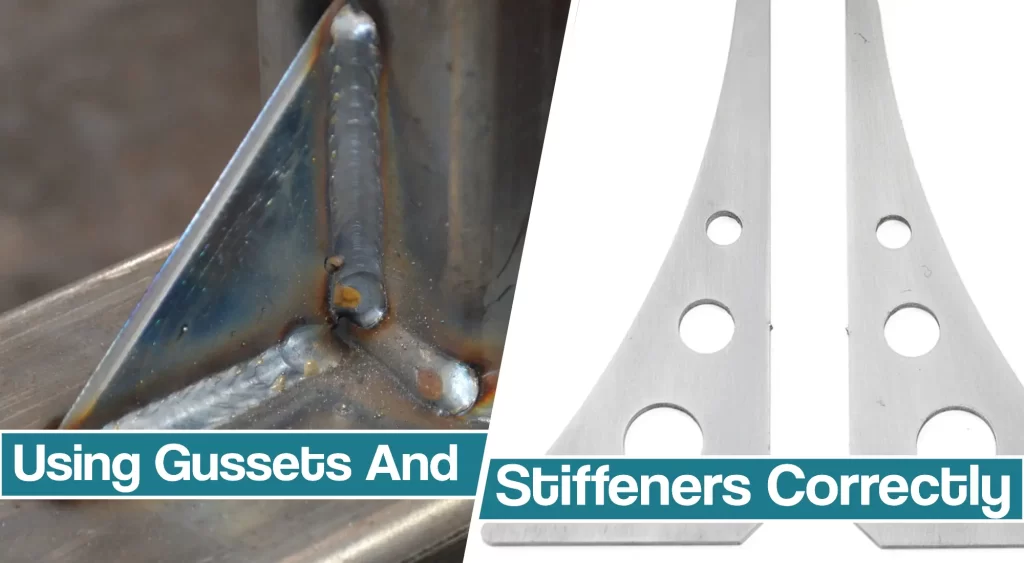
To help you overcome the cracking or defect, we will give you some tips on installing the gussets properly.
About Using Gussets
As we wrote at the beginning of this text, gussets can be made of wood or different metals. Various techniques are used to fasten gussets to the members permanently. Metal gussets can be riveted, bolted, or welded, while timber ones are usually pressed.
Steel gussets are usually used to connect beams and girders to columns or connect truss members through welding. In addition, they are the cheapest way of retrofitting structures that may become unable to support applied loads.
When applied to smaller structures, gussets can be copper or aluminum, providing a more attractive finish. However, in most cases, gusset plates are made of galvanized steel or cold-rolled steel.
On the other hand, wood gussets are most commonly used in roof constructions. They provide structural strength in the roof system where two wood members join.
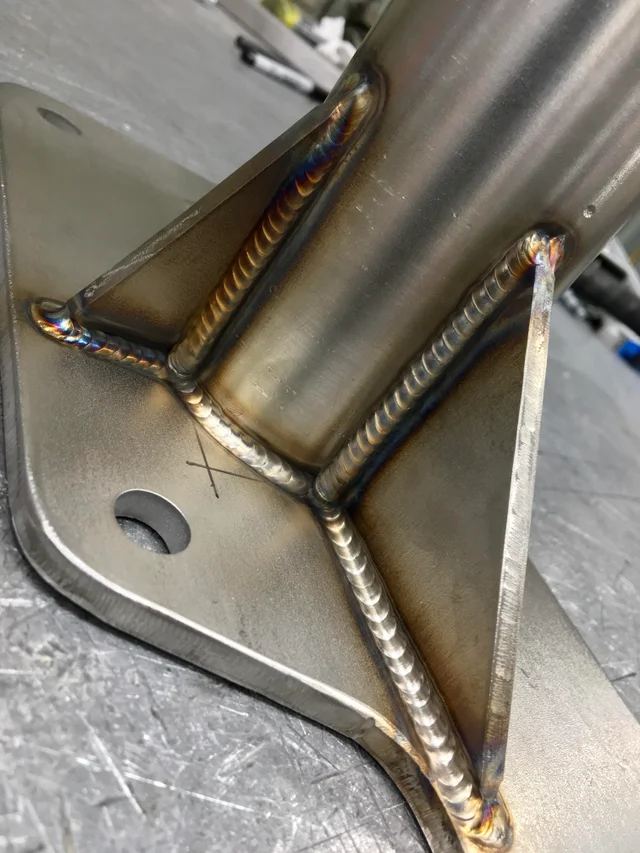
The majority of gussets tend to be either squared or rectangular. However, those used for more specialized purposes may have different shapes. When it comes to the size, the thumb rule is the more significant the force on the structure, the larger the gusset size required to support it.
Common Mistakes When Installing The Gussets and other stiffeners
As helpful as the gussets are, people often make mistakes during incorporation. The three most common mistakes are misplaced gussets, unnecessary gussets, or stiffeners that turn out to be harmful to design.
Let’s take a look at how mistakes can impact your projects.
Misplaced Gussets and How to Place Them Properly
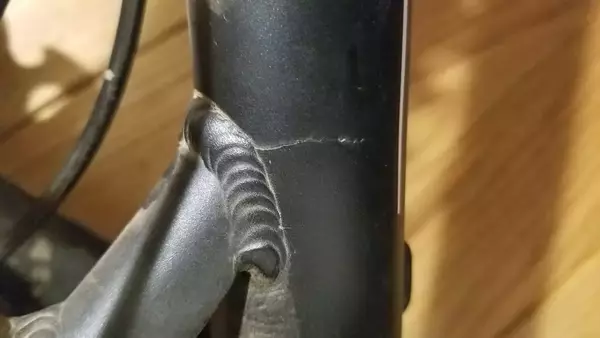
If you try to weld prominent square tubular members subjected to high stress, connections will likely crack. To solve the problem, you will have to install the gussets. However, proper placement is crucial.
You should never install the gusset that pushes on the flexible side of the tube. Even though there is no sufficient strain present on the gusset, the elastic side of the tube acts just like spring.
So once the design is subjected to stress, the cracks will start developing on the end of the gusset.
To solve the problem, you will have to attach the gusset to the stiff part of the design. Once you do so, the gusset will transfer force into the member that lay parallel. Proper stress transfer will further increase the strength and lifespan of the joint, so you won’t have to worry about the cracks.
Unnecessary Gussets
Besides misplacing, people often install unnecessary gussets.
Gussets can be more than functional when correcting a poor design. Moreover, this might be the cheapest and easiest way to strengthen the broken parts, as the required materials add almost no cost.
But keep in mind that adding stiffeners or gussets in welded assemblies is different. Mainly it is expensive, so many wonders if the cost is actually worth it. That’s why you can find a different answer.
To explain how unnecessary gussets can add to the cost, we will give you an example where machine tool components were tied down to the factory floor by eight anchor rods. The designer installed eight gussets to stiffen the bottom construction, which was planned as a casting.
Later on, the casting was replaced by weldment, which duplicated the configuration of cast design, eventually welding eight new gussets. However, it turned out to be a costly procedure, so the manufacturer eliminated all the gussets and welds.
In the end, the problem was the original material thickness. The material was too flexible, so the stiffeners had no impact whatsoever. In the end, the manufacturer solved the problem by introducing thicker materials into the design.
The overall cost of buying new material was significantly lower than welding and eventually removing the gussets.
So long story short, you should think and analyze all design aspects before introducing unnecessary gussets with added costs.
Welding Cracks, Harmful Stiffeners and Gussets
Prior to misplaced or unnecessary gussets and stiffeners, they can also be harmful to design. In some cases, lack of transfer force between brackets can cause cracks during welding. So before installing the brackets, keep in mind that they can cause restrain and be responsible for cracking.
In this case, besides the costs of installing unnecessary brackets, they can also harm the design, eventually leading to a lose-lose situation.
Notable Failures Caused By Poor Gussets
One of the most significant failures related to poor gusset design is the I-35W Mississippi River bridge collapse in Minneapolis, Minnesota. The accident occurred on August 1, 2007, with three people killed and 145 injured.
A series of inspections concluded that 16 gusset plates were under-designed and thinner than specified.

In addition to poor design, additional loading pressure was present on the already under-designed gusset plates. Additional expansion stresses on the gusset plates caused by corrosion on the bridge bearings were also contributing factors.
The gussets can be crucial for structural integrity in telescopes and radio towers. Radio and telecommunications dishes have gusset plates somewhere in their design, and if designed poorly, they can lead to a disaster. For example, a 90.44 m Green Bank Telescope erected in 1962, collapsed on November 15, 1988, due to the sudden loss of a gusset plate in the box girder assembly.
Final Thoughts
When installing gussets and other stiffeners, planning is essential. Properly installed and necessary gussets may be crucial in some designs, as described in the first part of the text.
On the contrary, unnecessary gussets can add the cost or even harm as good as they are. So make sure you think things through before making a mistake.
You are likely to make a mistake if you are a beginner, as experts in welding design usually do calculations. However, errors in gusset design can lead to a disaster when it comes to large constructions, such as bridges, towers, and roofs.
Resources:
- http://www.steel-stainless.org/media/1112/19_g_kiymaz_e_sec.pdf
- https://www.eng-tips.com/viewthread.cfm?qid=429456
- https://www.constructioncost.co/welded-connection-of-single-angle-section-with-gusset-connection.html
- https://app.aws.org/forum/topic_show.pl?tid=16284
- https://www.iitk.ac.in/nicee/wcee/article/WCEE2012_0799.pdf
- https://weldtalk.hobartwelders.com/forum/weld-talk-topic-archive/welding-processes/8563-easy-way-to-make-gussets